July 29, 2026 —
The performance of every wastewater treatment plant begins at the headworks. Efficient screening protects downstream pumps, valves, biological treatment processes, and other critical wastewater equipment from damage while reducing maintenance requirements and improving overall plant reliability.
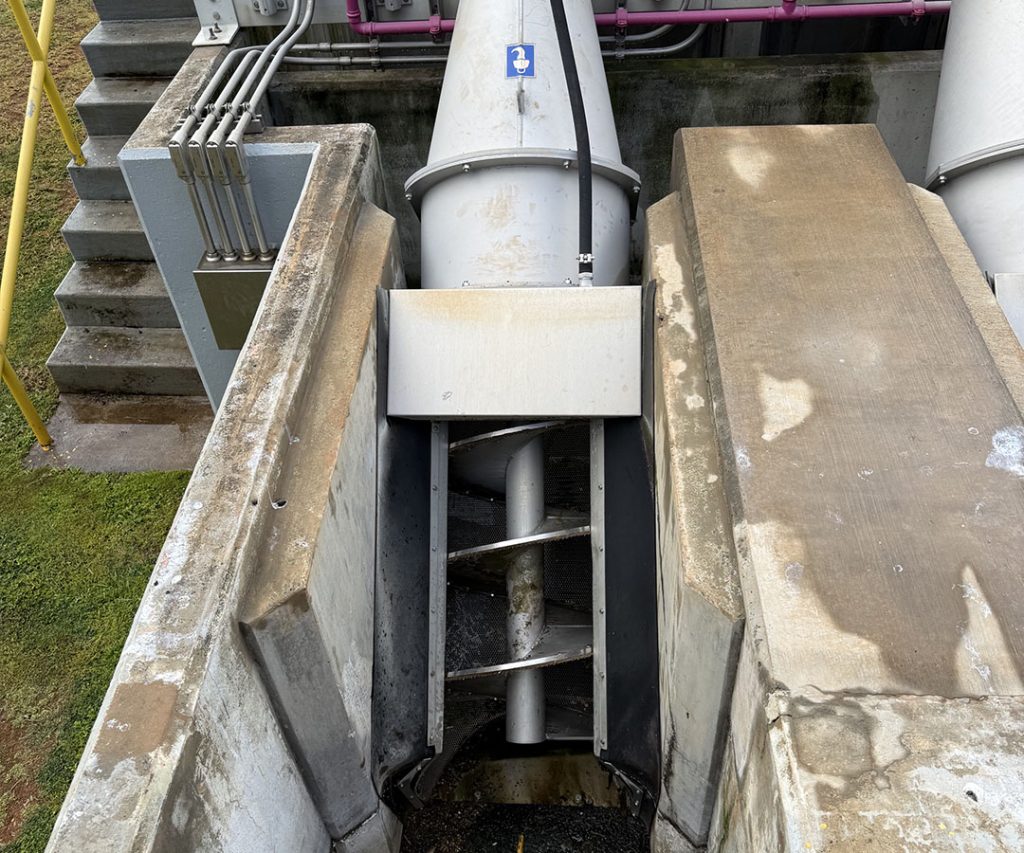
When the Lihue Puhi Wastewater Treatment Plant required replacement of an aging auger screen, the project team selected the HUBER Micro Strainer ROTAMAT® Ro9 to modernize the facility’s screening system and provide full-capacity redundancy for years of dependable operation.
Working alongside HDR (Engineer), Harvey Brothers (Contractor), and Aqua Engineers (Owner), Hawaii Engineering Services supplied a screening solution designed to improve operational reliability while simplifying maintenance and reducing lifecycle costs.
One existing auger screen required replacement, creating an opportunity to improve both reliability and operational resilience.
The project objectives included:
Replace the aging auger screen
Improve long-term reliability
Provide full-capacity redundancy
Maintain uninterrupted wastewater treatment during maintenance and peak flow events
Improve screenings handling efficiency
Maintaining continuous plant operation throughout the project was a critical requirement for the owner.
Project Requirements
The project team determined that the best long-term solution would include the installation of two new auger screens:
One screen to replace the aging unit
One additional screen to provide 100% treatment redundancy
This approach ensures that wastewater screening can continue even if one unit is offline for scheduled maintenance or unexpected service, reducing operational risk and improving treatment reliability.
The Solution
Hawaii Engineering Services supplied HUBER Micro Strainer ROTAMAT® Ro9 wastewater screens, a proven technology widely used in municipal wastewater treatment facilities around the world.
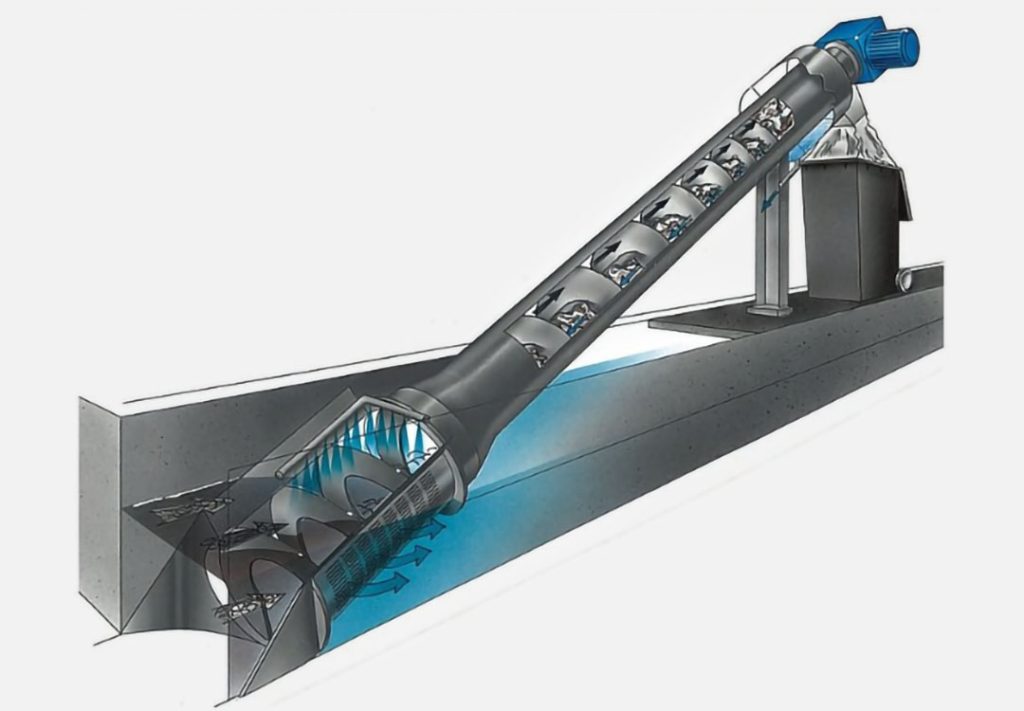
Unlike conventional screening systems that rely on multiple pieces of equipment, the Rotamat RO9 combines several treatment processes into one compact unit.
The system performs:
Screening
Conveying
Washing
Dewatering
Compaction
using a single-drive design, reducing mechanical complexity while maximizing operational efficiency.
Why the Huber Rotamat RO9?
Modern wastewater utilities increasingly seek equipment that delivers higher reliability while reducing maintenance and operating costs.
The HUBER Micro Strainer ROTAMAT® Ro9 addresses these goals through several important design advantages.
Integrated Process Design
Rather than using separate equipment for screening, conveying, washing, and dewatering, the HUBER Micro Strainer ROTAMAT® Ro9 combines these functions into a single compact package. This simplifies installation, minimizes the equipment footprint, and reduces the number of moving parts requiring maintenance.
Reliable Self-Cleaning Operation
The HUBER Micro Strainer ROTAMAT® Ro9 features a self-cleaning design that helps maintain screening performance while minimizing manual operator intervention. Consistent cleaning improves equipment reliability and reduces maintenance requirements.
Lower Disposal Costs
By washing and compacting screenings before disposal, the system reduces the volume and weight of waste material. This lowers transportation and disposal costs while improving housekeeping within the treatment facility.
Full-Capacity Redundancy
Installing two screening units provides operational flexibility and ensures uninterrupted wastewater treatment during maintenance activities or periods of high influent flow.
Project Results
Following installation, the Lihue Puhi Wastewater Treatment Plant now operates with new Huber auger screens that improve the effectiveness of preliminary wastewater treatment while strengthening overall plant reliability.
Key benefits include:
Modernized headworks screening
Increased operational reliability
Continuous treatment capability through redundant equipment
Reduced screenings disposal costs
Simplified operation and maintenance
Improved protection of downstream treatment processes
According to the project report, the new Huber auger screens are successfully contributing to the cleaning of wastewater at the facility.
Why Modern Headworks Equipment Matters
Headworks equipment is often overlooked, yet it plays a vital role in protecting every downstream process within a wastewater treatment plant.
Modern screening systems help utilities:
Protect pumps and process equipment
Reduce equipment wear
Improve plant reliability
Lower maintenance costs
Improve operator safety
Reduce screenings disposal expenses
Increase operational resilience during peak flows
For municipalities investing in infrastructure modernization, replacing aging screening equipment can improve both treatment performance and long-term operating efficiency.
Frequently Asked Questions
What does a wastewater screw screen do?
A screw screen removes rags, plastics, wipes, and other debris from incoming wastewater before it reaches downstream treatment processes. This protects pumps, piping, and biological treatment equipment from clogging and damage.
What makes the HUBER Micro Strainer ROTAMAT® Ro9 different?
The HUBER Micro Strainer ROTAMAT® Ro9 integrates screening, conveying, washing, dewatering, and compaction into one compact, single-drive system, reducing equipment complexity and simplifying maintenance.
Why is screenings washing important?
Washing removes organic material from screenings before disposal, reducing odors, minimizing organic loss from the treatment process, and lowering disposal weight.
Why provide redundant screw screens?
Redundant screening equipment allows wastewater treatment to continue during maintenance or equipment outages, improving plant reliability and reducing operational risk.
Can existing wastewater plants retrofit screw screens?
Yes. Many aging wastewater treatment facilities can replace older screening equipment with modern screw screens while utilizing much of the existing headworks infrastructure.
Which facilities benefit most from Huber Rotamat screw screens?
Typical applications include:
Municipal wastewater treatment plants
Industrial wastewater facilities
New treatment plant construction
Existing plant modernization projects
Facilities seeking to reduce maintenance and improve reliability
How do screw screens reduce lifecycle costs?
Integrated screening, washing, dewatering, and compaction reduce equipment count, simplify maintenance, decrease screenings disposal costs, and improve operational efficiency over the life of the system.
Partner with Hawaii Engineering Services
Across Hawaii, municipalities, engineers, and contractors rely on Hawaii Engineering Services for proven water and wastewater treatment solutions.
From preliminary screening equipment and pumping systems to aeration technologies, controls, and complete process solutions, Hawaii Engineering Services works closely with project teams to deliver equipment that improves reliability, efficiency, and long-term plant performance.
Whether modernizing an existing treatment facility or designing a new wastewater plant, the team provides the technical expertise needed to select the right equipment for each application.
Request More Information
Planning a headworks modernization project?
Whether you’re replacing aging screening equipment, expanding plant capacity, or designing a new wastewater treatment facility, Hawaii Engineering Services can help you identify the right screening technology for your application.
Contact Hawaii Engineering Services today to:
Discuss your wastewater screening project
Evaluate Huber Rotamat equipment
Request application engineering support
Improve the reliability and efficiency of your treatment facility